.png)


The digital commerce landscape has undergone a profound paradigm shift over the past decade, rendering legacy approaches to Conversion Rate Optimization (CRO) largely obsolete. Sophisticated modern consumers prioritize frictionless user experiences, instantaneous technical performance, and acute psychological alignment over rudimentary trust signals. This guide details advanced, data-driven website conversion strategies backed by behavioral economics and empirical research to maximize your revenue.
1. Introduction: Traditional CRO vs. Advanced Behavioral CRO
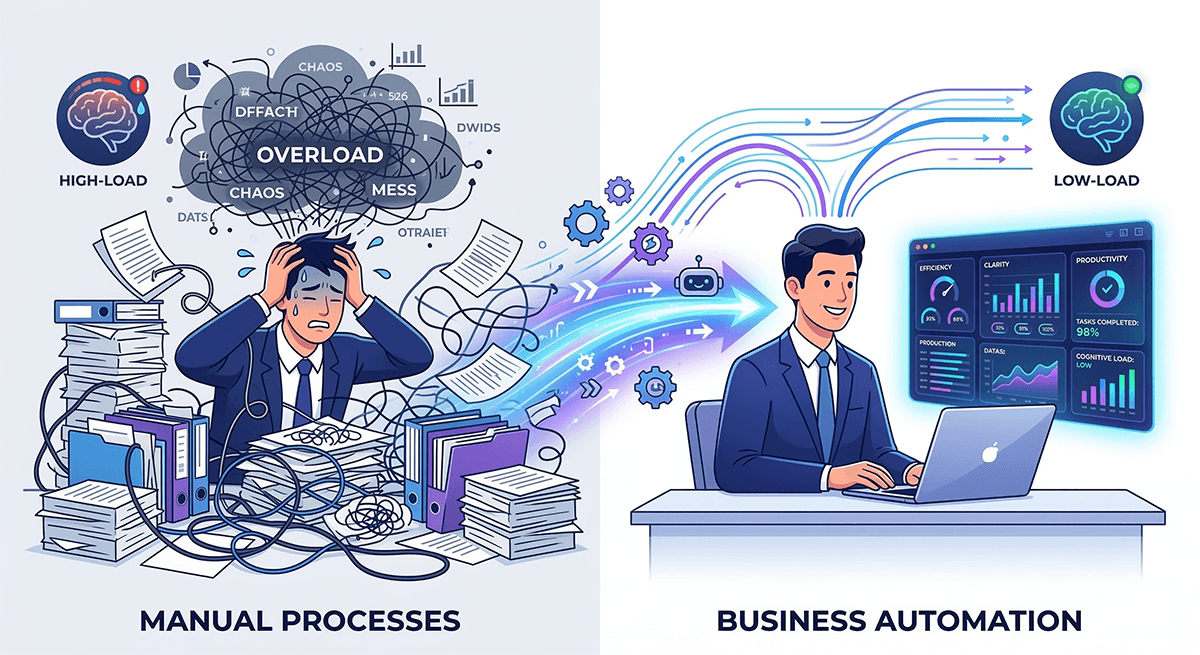
For years, digital strategists operated under the assumption that injecting a poorly performing website with high volumes of "trust-building" elements—such as customer reviews and security certificates—would inherently rectify underlying sales deficiencies. To understand the paradigm shift in website sales, we must contrast these legacy tactics with modern, data-driven methodologies.
| Feature | Traditional CRO (Obsolete) | Advanced Behavioral CRO (2026 Focus) |
|---|---|---|
| Primary Focus | Adding trust badges, reviews, and countdown timers. | Reducing cognitive load and technical friction. |
| Data Reliance | Third-party analytics and generic industry benchmarks. | Predictive AI modeling and volunteered zero-party data. |
| Forms & Lead Gen | Long, static, single-page forms to "qualify" leads. | Interactive, logic-based quizzes with the Endowment Effect. |
| Core Philosophy | Persuading the user that the company is legitimate. | Removing all barriers to the user's inherent motivation. |
2. The "Trust Gap": Why Social Proof Isn't Enough
A pervasive and financially detrimental misconception is the belief that consumer hesitation is primarily a symptom of mistrust, and that deploying an abundance of testimonials will universally stimulate sales. This creates a structural vulnerability known as the "Trust Gap."
The Trust Gap occurs when an organization successfully establishes market credibility through external validation but fails to design an intuitive, high-performance digital environment capable of capturing the generated intent. In these scenarios, the cognitive dissonance experienced by the user negates the positive effects of the social proof entirely. Trust must be viewed not as a standalone feature to be bolted onto a webpage, but as an implicit byproduct of a flawlessly executed user experience.
3. Technical UX: The Psychology of Speed and Cognitive Stress
Before a consumer can logically evaluate your offer or enter your sales funnel, they must successfully interface with your digital environment. Technical latency is the most aggressive silent killer of revenue across all digital sectors.
The Financial Impact of Milliseconds
- Empirical analysis indicates a rigid psychological threshold at the three-second mark for mobile load times.
- When latency exceeds this duration, abandonment rates predictably and uniformly escalate to 53%.
- Websites that achieve a one-second load time secure an average conversion rate of 39%, while those lagging at 2.4 seconds see their conversion rates plummet drastically to a mere 1.9%.
- Global averages indicate that every 1-second delay results in a 7% decrease in total conversions across all industries.
4. The Fogg Behavior Model (B=MAP) in Digital Strategy
If technical performance dictates whether a user remains on a website, the psychology of the offer dictates whether they take action. Developed by researchers at Stanford University, the Fogg Behavior Model dictates that for any target behavior to occur, three core elements must converge simultaneously: Motivation (M), Ability (A), and a Prompt (P).
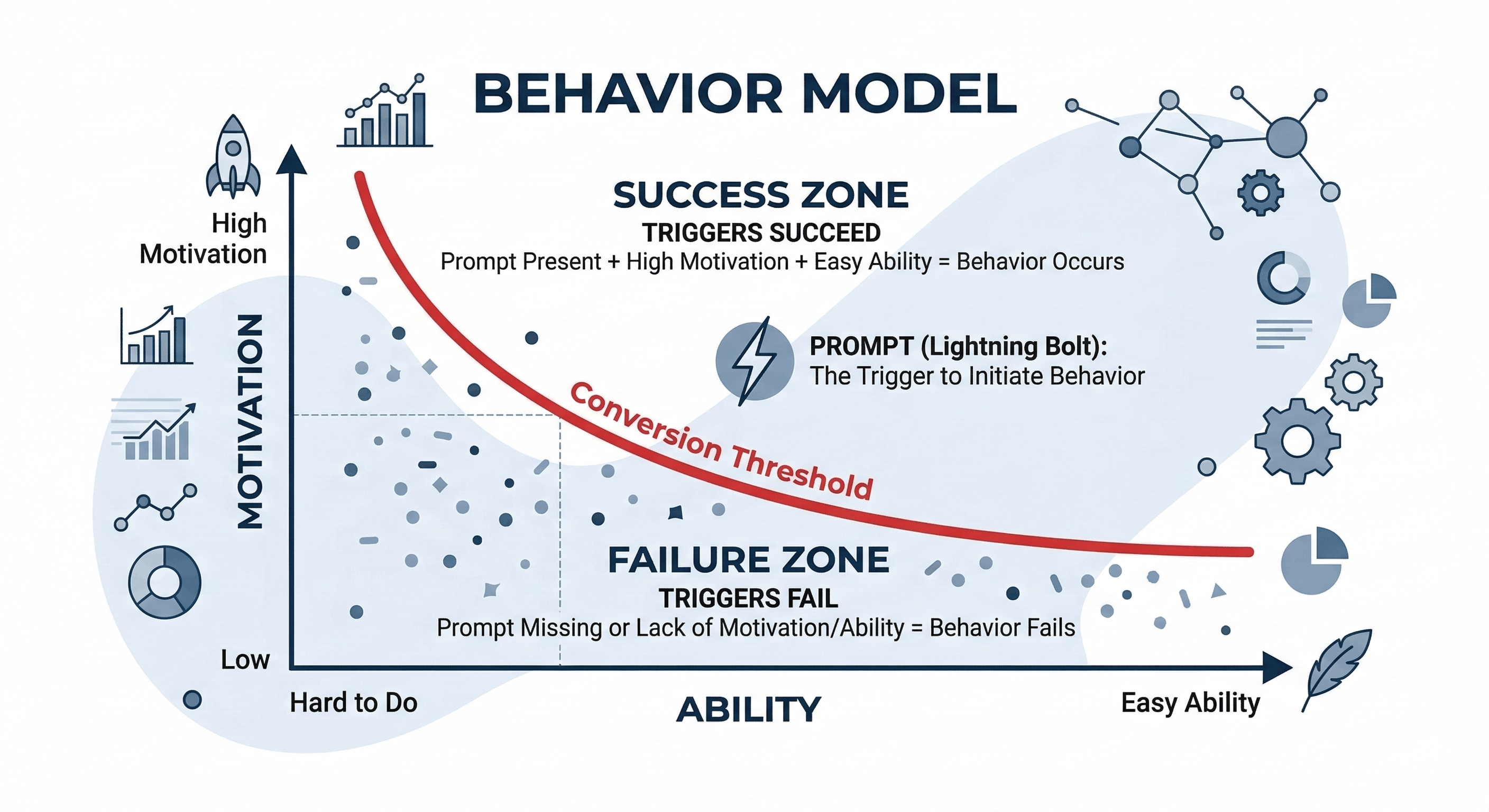
When conversion rates stall, amateur marketers immediately enlarge the "Buy Now" button—an adjustment solely to the Prompt. However, if the underlying deficit lies in Motivation, altering the Prompt is an exercise in futility. Instead, advanced A/B testing must focus on amplifying the user's core desire through hyper-personalized Unique Value Propositions (UVPs) or by drastically increasing their Ability to act.
"By altering exactly three words from 'Sign up for free' to 'Trial for free,' the travel platform Going successfully highlighted the temporary access to high-value features without requiring immediate payment. This subtle semantic shift generated a staggering 104% month-over-month increase in premium trial starts."
5. Tailoring the Conversion Funnel: E-commerce vs. B2B
The architectural flow of a conversion funnel must be ruthlessly tailored to its specific commercial environment.
The E-commerce Landscape: Frictionless Checkouts
The most critical battleground is the checkout sequence. Industry data reveals that approximately 24% of all digital consumers will abandon their cart entirely if forced to create an account prior to purchase. Advanced e-commerce platforms deploy prominent, unencumbered guest checkout pathways, which have been shown to improve initial conversion rates by 20% to 45%.
B2B and Services: Rethinking the Lead Generation Strategy
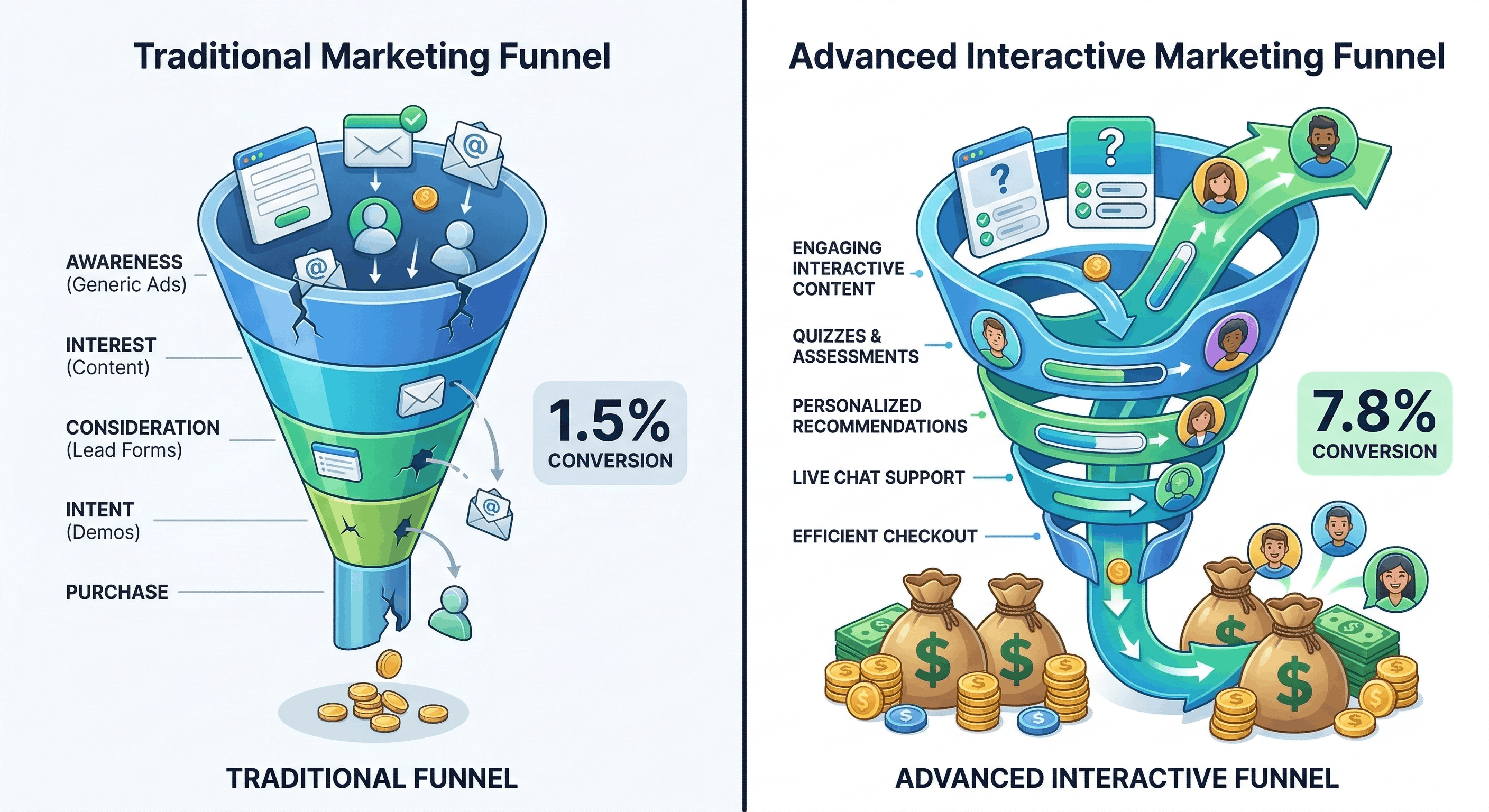
The optimization mechanics for B2B differ dramatically. A comprehensive analysis revealed that each additional form field decreases the conversion rate by an average of 4.1%. The most profound evolution in B2B CRO is the strategic transition from passive, static form elements to interactive, logic-based quizzes.
- Traditional static lead magnets typically yield conversion rates hovering between 2% and 3%.
- Strategic lead generation quizzes achieve extraordinary conversion rates, frequently capturing between 31.6% and 40.1% of all users.
- When a user completes a quiz and is prompted for an email, the "Endowment Effect" is activated, driving completion rates as high as 65%.
6. Future-Proofing CRO: AI Personalization & Zero-Party Data
The future of CRO is characterized by real-time adaptation, predictive algorithmic modeling, and absolute data privacy. The collection of "zero-party data"—information that a customer intentionally, transparently, and proactively shares with a brand—has emerged as the most valuable asset in modern CRO. Because this data is explicitly volunteered, its accuracy is unparalleled. Brands implementing these strategies have documented conversion rate increases reaching up to 296%, with Return on Investment (ROI) metrics reaching 96X.
7. Frequently Asked Questions (FAQ) About CRO
What is the primary cause of high e-commerce cart abandonment?
The global average cart abandonment rate currently hovers at a devastating 70.19%. The primary catalyst for this massive revenue bleed is unexpected costs—such as exorbitant shipping fees or taxes—revealed late in the checkout flow. Ensure absolute pricing transparency early in the user journey map.
How can I manage business operations efficiently when my website sales rapidly increase?
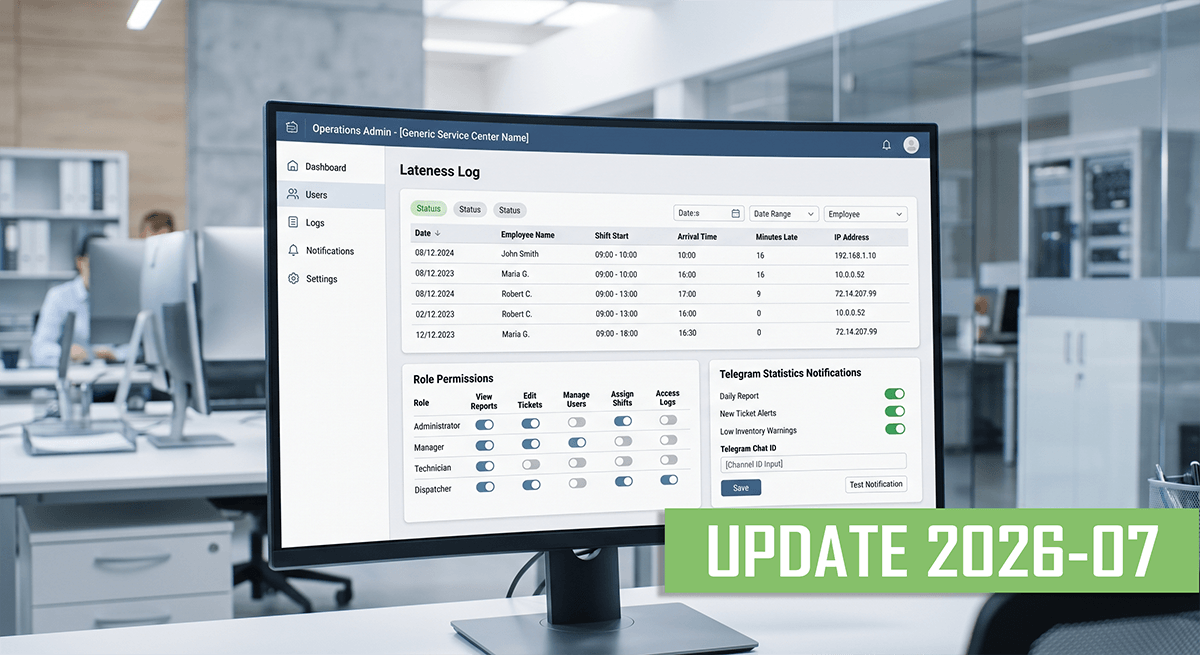
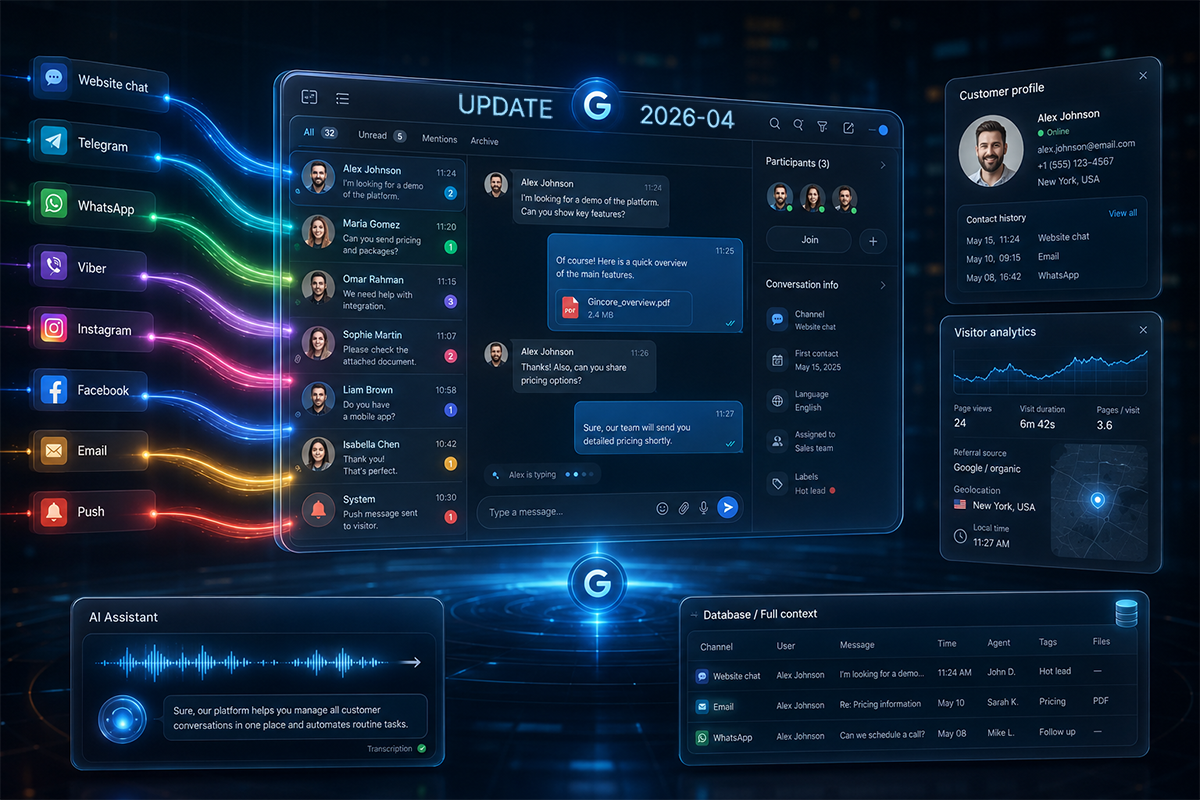
Scaling frontend conversions is only effective if your backend can support it. Using dedicated business management software like Gincore is crucial. Gincore helps automate inventory management, track orders, and centralize team communication, ensuring that the high-quality leads generated by your optimized website are processed flawlessly.
Are multi-step forms better than single-step forms for B2B?
Yes. Visual length exerts a stronger behavioral influence than actual field count. Multi-step forms featuring visually abbreviated steps convert 37% more effectively than monolithic single-page forms containing the exact same number of inputs.
8. Conclusion & Your 5-Step CRO Checklist
The pursuit of maximized website sales can no longer rely on the superficial application of traditional trust elements. By prioritizing technical immediacy, aligning your offers with behavioral psychology, and embracing zero-party data, you can systematically dismantle user friction.
Your Advanced CRO Checklist:
- Technical Latency Check: Does your most important landing page load in under 2.5 seconds (LCP)?
- The "Trust Gap" Audit: Are your testimonials compensating for a confusing layout, or enhancing a seamless flow?
- Friction Analysis: Have you mapped the specific barriers (Ability) for your primary offer using the Fogg Behavior Model?
- Lead Gen Modernization: Can you replace your static 5-field B2B form with a 3-step interactive quiz?
- Operational Readiness: Is your backend software configured to handle a 30% influx in orders without breaking customer service SLAs?